Crime & Detective Fiction
Crime and detective fiction deal with investigations by an actual detective or an amateur sleuth, or from a criminal point of view, such as mob stories. As simple as it seems, it is one of the genres with the most subcategories.
p
Hardboiled / Noir
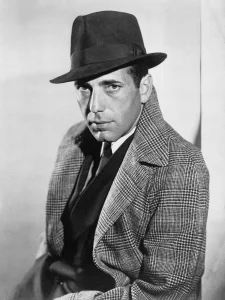
Hardboiled detective fiction and the Noir genre are subcategories of crime fiction. Though not completely alike, they share enough characteristics to be explained together. A private investigator often leads the investigation. He is cynical, depressed, an alcoholic and shares many aspects with the antihero. The atmosphere is bleak, often violent; people are not to be trusted, and there is a pessimistic take on life. Even women are ambiguous, mysterious and of the 'femme fatale' archetype. There is a big contrast between shadows and light, night and day, in the setting or in the connotations. These genres thrived in the 1930s and 1940s in the United-States, with a revival in the 1980s/90s. It seems to be gaining new attention now, especially in movies and series.
f
Well-known major writers in these genres include
Dashiell Hammett,
Raymond Chandler,
James M. Cain,
Cornell Woolrich and James Ellroy.
f
You May Like:
f
Cosy Mystery

Cosy mystery is a subcategory of detective fiction. It is the most tame, with limited violence or gruesome environments. On the contrary, the setting is more often than not mainstream social units or higher, and a murder comes to disrupt the routine. It involves a detective, professional or private, or an amateur sleuth. The investigation is a logic-and-reasoning game for the reader, who is led astray by red herrings. The basic cosy mystery is realistic and never includes supernatural elements; some books may play with this possibility, but there is always a rational explanation at the end. It has regained interest, and it is one of the most popular genres nowadays.
g
Well-known major writers in this genre include
Agatha Christie,
Arthur Conan Doyle,
Georges Simenon, and P.D. James.
f
You May Like: