

It’s been about 5-6 months since the website was launched, and I postponed this essential question: what is a classic book? I know that this article was long overdue, but I wanted to think it over seriously and reflect on it deeply before writing it. So here are my insights after researching the subject while building the site and its database.
Definition
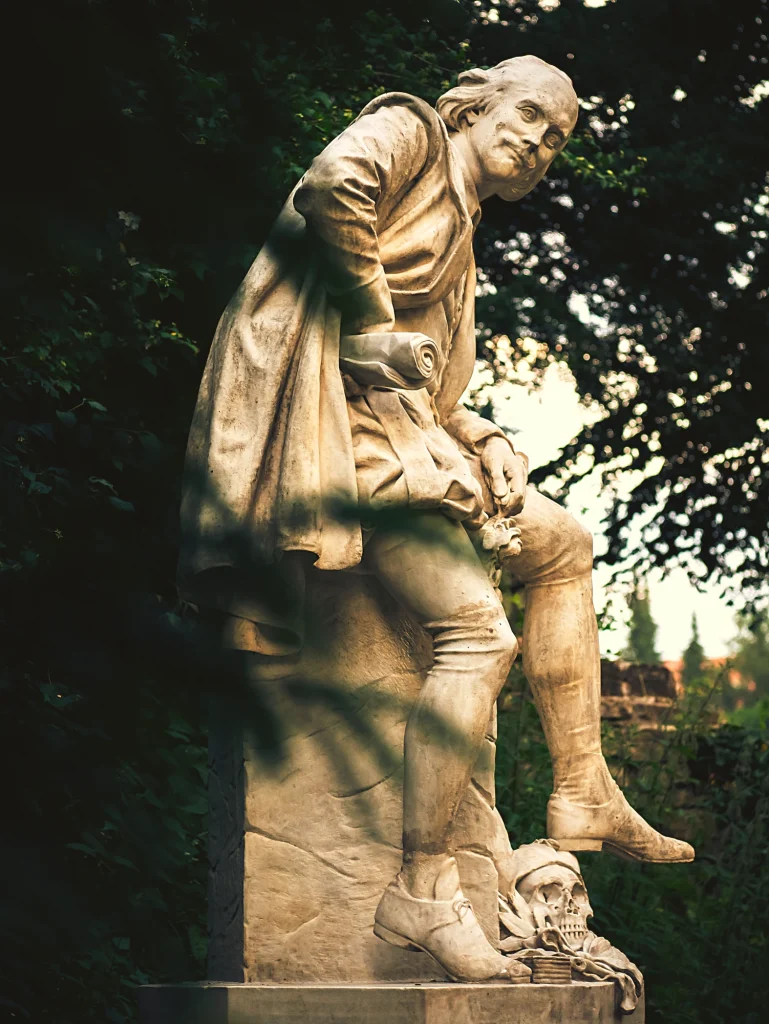
A classic book is a book you have heard of so many times that you think you know it, even if you haven’t read it. These kinds of books belong to the cultural framework of a country or a language, and you come across mentions or allusions about them everywhere: in real life, in other books, in movies and TV shows. Especially so for established classics that may never be forgotten, like Shakespeare’s plays, for example.
The classics have an enduring reputation, and there is an ongoing interest in them. They are not contemporary, but they have stood the test of time because we can still relate to most of their content, even if some elements in them may seem outdated.
Why are they classics?
There are different ways to become a classic:
- As we mentioned in the previous point, they are still relevant today because they address universal topics and themes. They ponder what it feels like to be a human being and wonder how to navigate the many pitfalls or joys most people encounter in their lifetimes. Primordial themes explore the topics of death, life, love, grief, family ties and nature vs culture.
- They may be an important witness of their time. They were books in the contemporary fiction genre at the time of their publication, which dealt with the underlying context of their time and the events that happened in their day and age. Some examples are social realist books such as Dickens’ novels and Anne Frank’s Diary.
- They may have brought innovative elements to a genre and contributed to its shaping and evolution, for example, authors like Arthur Conan Doyle and detective fiction, and H.G. Wells and science fiction.
- They may have launched a new genre or a new literary movement. As they are the first, they are the go-to authors or books to get acquainted with it. Authors like Wordsworth and English Romanticism, Edgar Allan Poe and the first recognisable detective stories, and Donna Tartt and Dark Academia.
- Anything that makes them a landmark. It is mostly the case with non-fiction books that have had significant influence and consequences in real life; for example, authors like Karl Marx, Freud, and Darwin.
- They may be classics because they have layers of meaning, and there is always something new to discover in them. They are books we like to re-read because they remain enjoyable or surprising, even if we know the story.
A fluid process
Apart from the books that are considered classics for decades or even centuries, and whose fate may not change, there are others on a less certain path. A book may have been a bestseller or the author may have been awarded a literary prize; however, their reputation is not maintained.
A bestseller list, instant fame, and a prize are only a vision at a point in time. And they don’t guarantee anything for the future. Many Nobel Prize recipients are forgotten, and successful writers during their lifetimes are anonymous figures lost in the past. Some books come and go; their influence may change, or they may be forgotten. History and ways of life change, and what was important for a generation group may be completely overlooked or even antagonised by the next ones.
But they are sometimes rediscovered. Some famous classics went through a period of oblivion before regaining the spotlight. The Great Gatsby, for example. It is a living phenomenon subject to change. It is not a status quo, something frozen in the past. That’s to say, that forgotten books may still have something to say if their content appeal to some future generation.
Why should I care?
Academics have always been active actors in this process, and their insights add meaning. If they continue to publish about classic books, these books become or remain part of the culture of a country, of a language, and they are also part of history. The rediscovery of women writers and Black writers from the past added new questions, new memories about groups of people, and new meaning related to their historical and social evolution.
Ordinary people can also play a role, especially now that information is just a click away, in maintaining worthy authors or discovering new ones, contemporary or from the past. For example, grumpy authors from the 1920s and 1930s who disapproved of progress may appeal to us now, because time has passed since then, and we may agree with them because we have to go through the consequences: overpopulation in cities, the widespread use of cars, and the damage industries have done to the environment.
The classics and their reputation are on a current with ebbs and flows, and sometimes, they shed light as much on who we are now as on what they were then.