The Story
- Genre: campus novel, dark academia
- Form: novel
- Reading time: 13h
- Published in 1992
- Status: still copyrighted
- Setting: Most of the action takes place at a fictional college in Vermont around 1990.
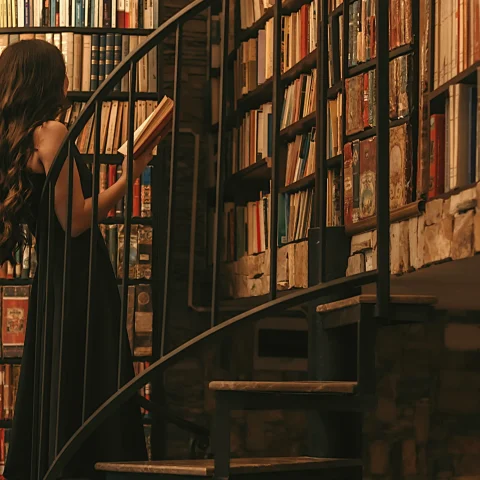
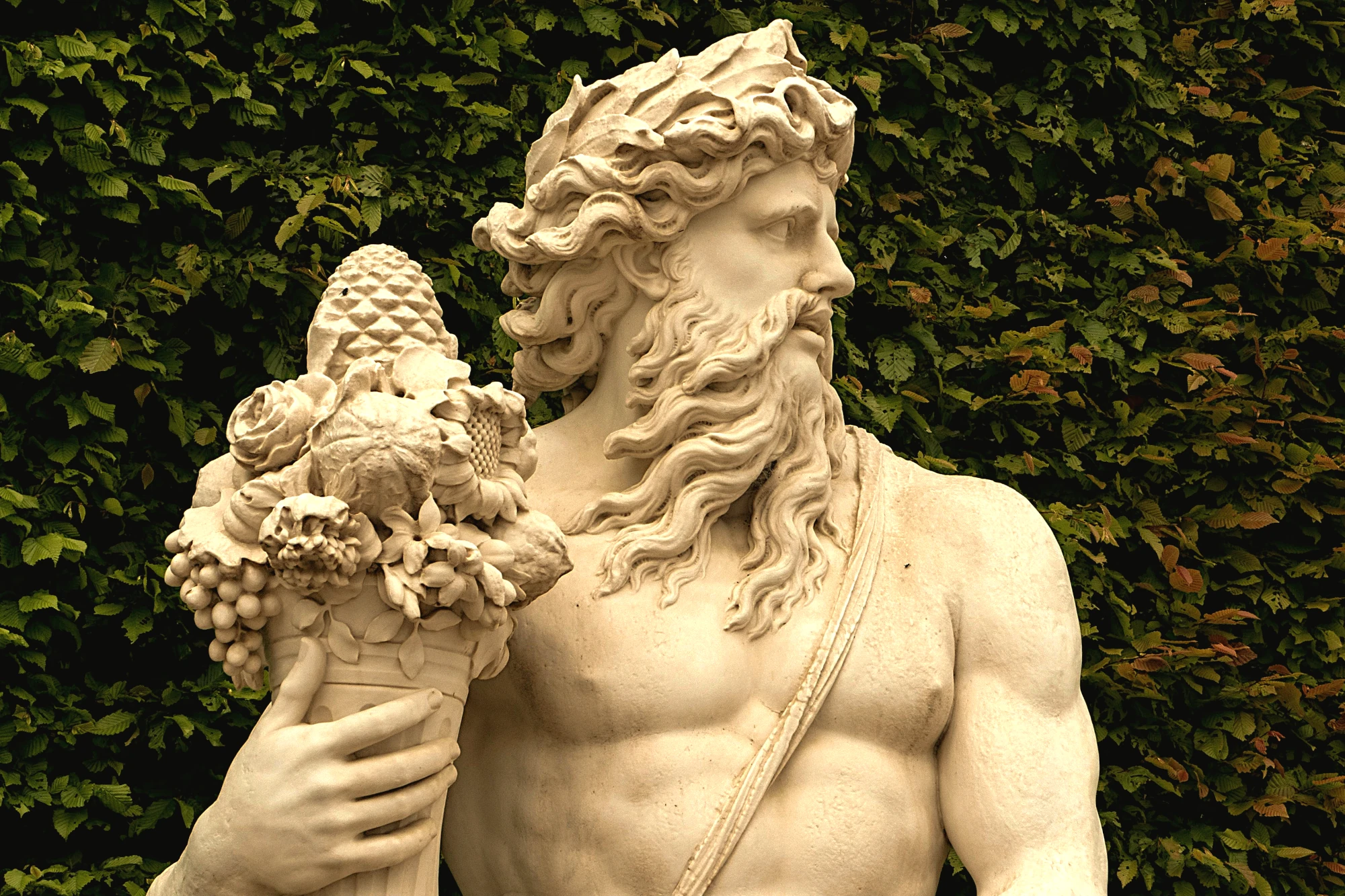
- Premise: Richard, a young bored Californian from a working-class background, finds a brochure for a New England college. He is so fascinated by the beauty of the pictures that he decides to enrol. When the school year begins, he wants to be the pupil of a peculiar ancient Greek teacher who likes to establish his own rules. He is also obsessed with his small class, a group of five students, peculiar too in their own way. Against all difficulties, he manages to be accepted in their midst. Then his life takes a new turn as he gets more and more acquainted with their world of privilege and their idealisation of ancient worlds. Richard’s recollections of this period in his life reveal that they shared a secret: they murdered one of their own. But it is just the tip of the iceberg.
From Gothic Fiction to Dark Academia
The Secret History is said to have originated the new genre Dark Academia, and it is often cited as the first and must-read example of it. It is indeed more than just a campus novel. It explores the dark side of specialised knowledge, up to the point when academia severs itself from basic reality. Characters are often out of touch with real life, lost in an elitist worldview. And consequences may be, well, dark. Does everyday morality still apply? What may be the consequences when you challenge, intellectually, the consensus about reality, morality, and ways of life? How is too much philosophy an entry point to the dark side?
However, before being labelled dark academia, the novel is essentially a modern gothic story. Many allusions to Gothic elements are found in the text, including cemeteries and ravens, a large mansion used as a safe escapist world, and moonlight shadows. The atmosphere and comparisons foreshow an imminent doom, which may or may not be actualised. Throughout the book, we find an omnipresence of death and ghost imagery. And last but not least, allusions to goths are found too in the book. The story takes place around 1990, a time when the gothic subculture was emerging from, and strengthening its identity against, the original punk movement.
Close Reading
I will be very vague to avoid spoiling, but for those who would like to slow read the book, you may want to pay attention to:
- Beauty vs Ugliness – beauty and aesthetics, even in dark circumstances
- Places: California and Vermont, the Lyceum, the students’ apartments and Francis’s country house, etc – The role of nature, trees and flowers
- The importance of appearances, of clothes and accessories: do they reveal who they really are, or are they a disguise, a persona?
- The group, its evolution as a group, individually, and in pairs. What events trigger each new step in their relationship? Are they Richard’s friends?
- The group and how they compare to other student groups
- Money and social classes – social classes and elitism – money as a plot device
- Influence of the past: their own pasts, history, classical literature
- Tangible world vs unreality: dreams, world of ideas, memories, sleep, torpor from hangover – reality vs fiction
- Alcohol, tobacco and drugs: evolution of their purpose in the group; comparison with alcohol and drugs in other groups and student parties
- Deliberate choice vs impulsivity – being in control vs losing control
- The threads of responsibility and the justifications of action
- Obsession and idealisation vs objectivity and truth
- Lights, moonlight and sunlight
- White colour and snow. The role of the weather.
- Death and ghost imagery
- Isolation: all the means to be or feel isolated