Robots and Androids
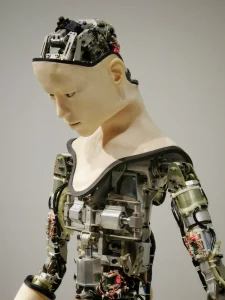
"Robots and Androids" is a topic of
Science Fiction.
f
I chose the topic “Robots and Androids” in Science-Fiction Month in 2026 because of the permanence of conversations, content, and concerns about AI. It’s been three years since it was released to the public. And three years later, the narrative is shifting. We know better now what AI performs well, or not so well, and what kind of dangers we expose ourselves to when we use it unreasonably or too confidently. Yes, it may be wrong, it may give you impractical answers, and some people may forget to draw the line between humans and machines. AI is not a person, though it may give that illusion if you don’t use it properly. How did sci-fi authors of the past foresee what is happening now? What were their cautious tales, or enthusiastic visions, maybe?
d
- R.U.R. by Karel Čapek: The word “robot” was coined by this author and appeared for the first time in 1920. Later, it became a real word in the English language and other European languages.
- I, Robot by Isaac Asimov: This is a collection of 9 short stories written between 1940 and 1950. In this book, Isaac Asimov states his famous “three laws of robotics”. These rules forbid robots from harming human beings, require them to obey human orders, and ensure they preserve their own integrity.
- With Folded Hands by Jack Williamson: This is a novelette published in the Sci-Fi magazine Amazing Stories in 1947. It explores what would happen if robots took on the burden of chores so that humans can live their best lives. But robots take their protective mission (the 1st law of robotics) to extremes.
- Do Androids Dream of Electric Sheep? by Philip K. Dick: This dystopia was published in 1968 and inspired the movie Blade Runner. It is set in an apocalyptic world in which most species are endangered. Robots are made to replace them, even humans. Dick Deckard’s mission is to hunt rogue androids. But they organise their defence.